|
Getting Your Vehicle
Ready to Tow a Caravan
What Wiring Do You Actually Need?
Buying a caravan is exciting,
but before you head off on your first trip, there's one important
job that often gets overlooked—making sure your tow vehicle is wired
correctly. Many people contact us asking, "Can you just fit an
Anderson plug?" The answer is... maybe.
Unfortunately, there isn't one standard setup. Every caravan
manufacturer has different electrical requirements depending on the
braking system, battery setup, fridge, ESC system and accessories
fitted to the van.
This is why we ask so many questions before quoting. A properly
designed towing electrical system ensures everything works safely
and reliably from the moment you hitch up.
Brake Controllers
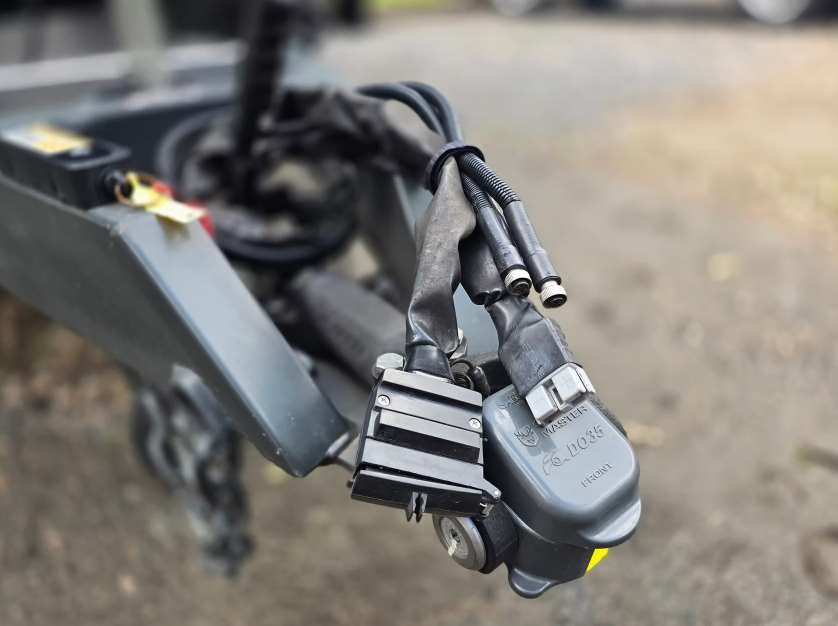
For most caravans, the first
thing you'll need is an electric brake controller. There are two
common braking systems used on caravans.
Electric Drum Brakes This is the most common
setup. The brake controller sends an adjustable voltage to
electromagnets inside each brake drum. The more voltage supplied,
the harder the magnets apply the trailer brakes. Modern proportional
brake controllers automatically adjust the braking force to match
how hard your vehicle is braking, giving smoother and safer braking
performance.
Electric Over Hydraulic Brakes Larger caravans
often use electric over hydraulic braking. Instead of operating
brake magnets, the brake controller sends an adjustable voltage to a
hydraulic actuator. The actuator then generates hydraulic pressure
to operate the caravan's braking system. Some hydraulic brake
systems also require an additional high-current power supply from
the vehicle's starting battery. Depending on the caravan
manufacturer, this power may be supplied through an Anderson plug or
through dedicated wiring within the trailer connector.
Electronic Sway Control (ESC) Many modern
caravans are also fitted with Electronic Stability Control (ESC).
ESC helps reduce dangerous trailer sway by automatically applying
the caravan brakes when instability is detected. There are several
different ways ESC systems are wired.
Power may come from
An Anderson plug
The 12-pin trailer socket
The caravan battery system
Not every caravan uses the same method, which is why it's important
to identify the manufacturer's wiring requirements before installing
any towing electrics.
Anderson Plugs
This is probably the biggest misconception we see. People often ring
us asking for "an Anderson plug." The reality is that an Anderson
plug is simply a heavy-duty electrical connector. What it does
depends entirely on how the caravan has been designed.
An Anderson plug may be used for
Charging caravan batteries
Supplying power to a three-way fridge
Electronic Sway Control
Electric over hydraulic braking systems
Other manufacturer-specific accessories
This is why asking for "an Anderson plug" isn't quite that simple.
Before recommending cable sizes, fuse protection or wiring methods,
we first need to understand exactly what that Anderson plug is
expected to do. If you're purchasing a brand-new caravan, the dealer
should be able to provide an electrical wiring diagram or
specification sheet. If you're buying a second-hand caravan, we
often need to inspect and test the caravan ourselves to determine
how each circuit has been wired.
Real-world experience We've seen Anderson
plugs wired using cable far too small for the current being carried.
While the plug itself may look correct, undersized wiring can cause
excessive voltage drop, poor battery charging and overheating under
load.
Charging Your Caravan Batteries
If the Anderson plug is being used for battery charging, there are
several more questions we need answered.
- Does the caravan have AGM or lithium batteries?
- Is there already a DC-DC charger installed?
- Does the tow vehicle have a smart alternator?
Modern lithium battery systems should generally be charged through a
DC-DC charger when charging from the tow vehicle. Without the
correct charging equipment, lithium batteries may never receive a
full charge, especially in vehicles fitted with smart alternators.
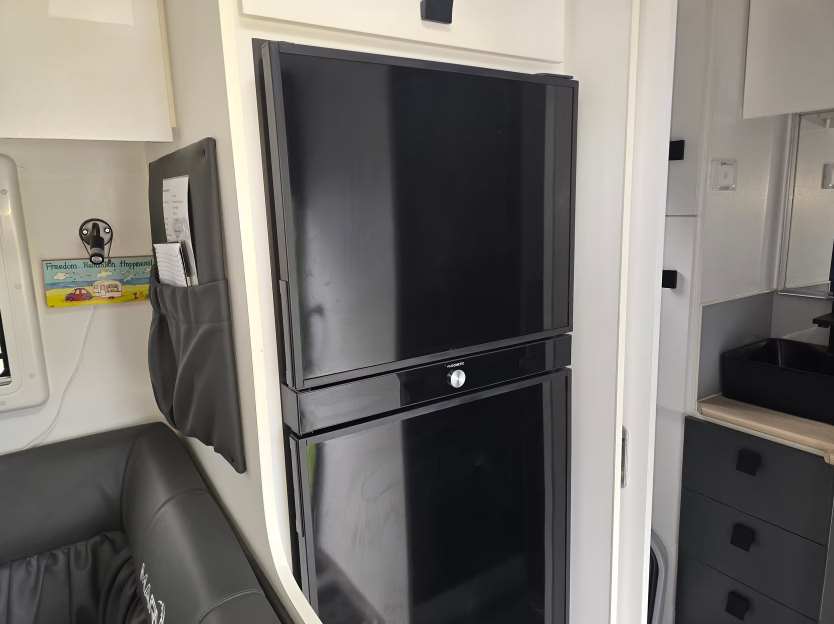
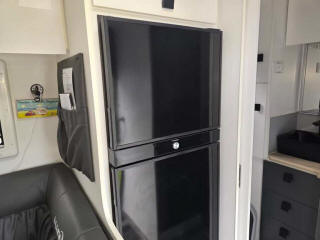
Three-Way Caravan Fridges
This is probably the most misunderstood part of caravan wiring. Even
within the automotive industry, there's still plenty of confusion
surrounding three-way fridges.
One of the biggest misconceptions is that the fridge runs from the
caravan batteries while travelling. It shouldn't.
A three-way fridge can draw up to 35 amps continuously on 12 volts.
If powered from the caravan batteries, they would discharge very
quickly.
Instead, the fridge should receive its power directly from the
vehicle's starting battery while the engine is running. This allows
the alternator to supply the current rather than flattening the
caravan batteries. Because of the high current draw, we generally
recommend a minimum of 8 B&S cable to minimise voltage drop.
Workshop Tip One of the most common faults we diagnose is
poor fridge performance caused by voltage drop. The fridge itself
isn't faulty—it simply isn't receiving enough voltage because the
wiring is too small or has poor connections.
Smart Fridges & Trigger Circuits
Some modern three-way fridges automatically detect when the engine
is running. These require an ignition trigger wire from the tow
vehicle. Interestingly, this same ignition signal is often used to
activate DC-DC chargers in caravans being towed behind vehicles
fitted with smart alternators.
Older-style fridges may require a Voltage Sensing Relay (VSR). A VSR
automatically disconnects the fridge when the engine stops,
preventing the vehicle's starting battery from becoming discharged.
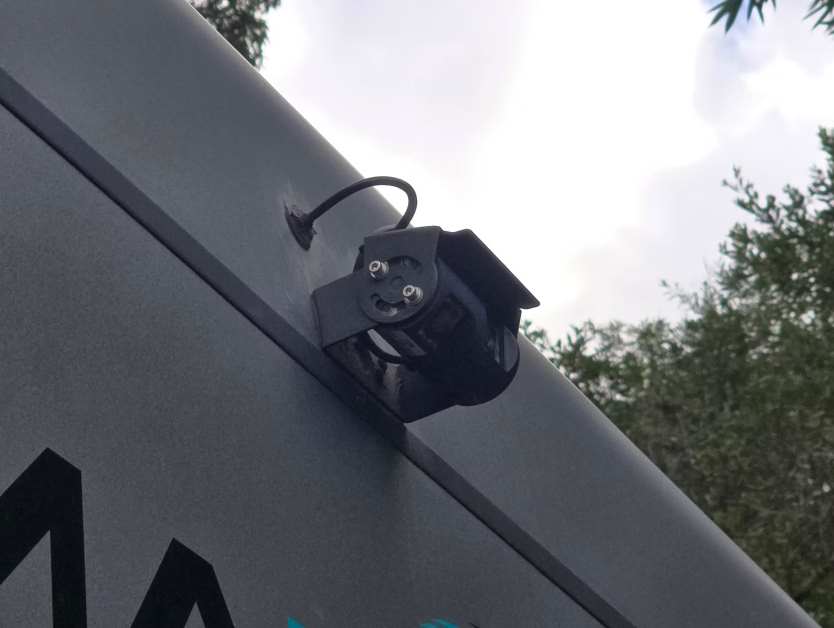
Reversing Cameras
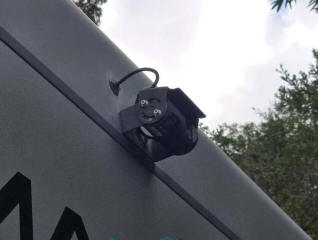
Many caravans are now supplied with factory reversing cameras.
Installing these generally involves
Running a dedicated camera cable
Installing the monitor
Supplying power to the monitor
If you're purchasing a second-hand caravan and the previous owner
includes the reversing camera, make sure they also provide the
monitor power harness. Without it, replacement harnesses can often
be difficult—or expensive to obtain.
Every Caravan Is Different
This is why we never recommend fitting an Anderson plug or towing
wiring without first understanding exactly how the caravan has been
designed.
The correct setup depends on
Brake system
Electronic Sway Control
Fridge type
Battery type
DC-DC charger
Tow vehicle alternator
Reversing camera requirements
Manufacturer's wiring specifications
No two caravans are exactly the same.
At Totally 12 Volt, we assess the complete towing setup before
recommending the most suitable electrical solution. Taking the time
to get it right from the beginning helps prevent flat batteries,
poor fridge performance, brake issues and unnecessary repairs later
on.
article by Shane Adams

August 2026
|